Get Basement Wall Repair
Basement wall repair services help property owners fix cracks, bowing, or water damage in basement walls through projects like reinforcement, sealing, and structural stabilization.
If you’re noticing cracks, shifting, or water seepage in your basement walls, it may be time to explore repair options. Property owners in the area often consider basement wall repair to maintain structural stability, prevent further damage, and improve overall safety. Whether planning a renovation project or addressing ongoing issues, understanding available solutions can help you make informed decisions about your property’s foundation.
There are a variety of local contractors experienced in basement wall repair, offering different approaches tailored to specific needs. Comparing these options can provide clarity on the services available and ensure the work aligns with your property’s requirements. Continuing to explore your choices may lead to finding the right service provider to help protect and preserve your home or commercial space.
- Basement Wall Cracks - homeowners noticing cracks developing in basement walls may need repair services to prevent further damage.
- Bow or Bulging Walls - signs of wall bowing or bulging can indicate structural issues that require professional intervention.
- Water Seepage - persistent or new water leaks through basement walls often suggest the need for sealing or reinforcement.
- Foundation Settlement - uneven or settling basement walls may benefit from expert stabilization to maintain structural integrity.
- Damp or Moldy Walls - moisture problems and mold growth on basement walls can signal the need for waterproofing and repair solutions.
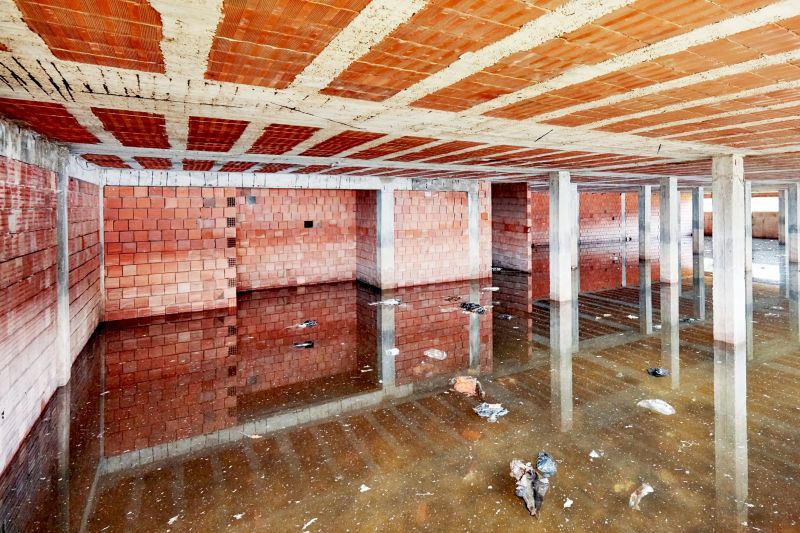
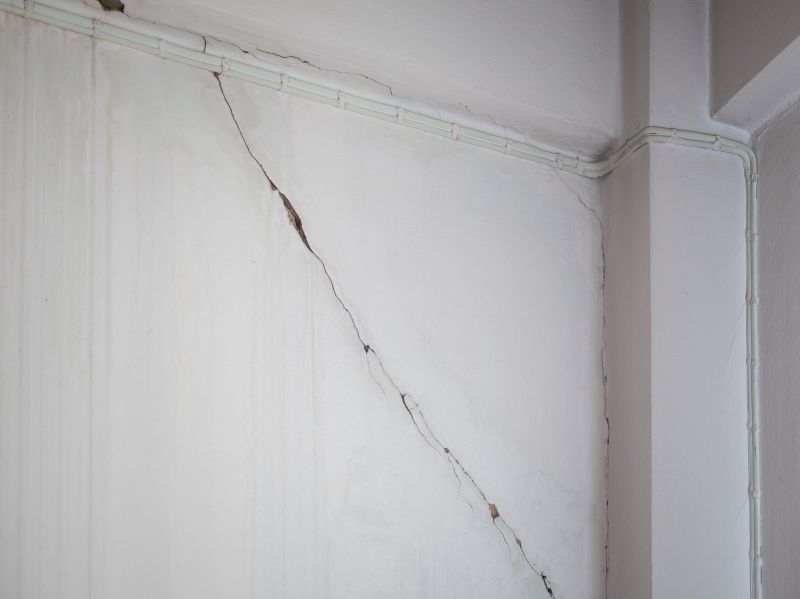
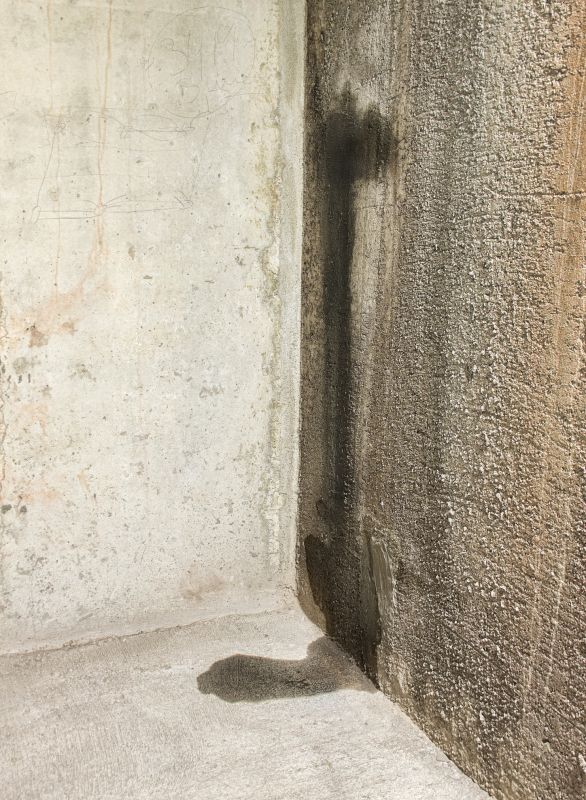
Basement wall repair services involve assessing and fixing issues related to the structural integrity of basement walls. Over time, basement walls can experience problems such as cracks, bowing, or shifting due to soil pressure, moisture infiltration, or settling foundations. Skilled contractors evaluate the condition of the walls to determine the best repair methods, which may include wall reinforcement, crack sealing, or installing wall braces. These repairs help stabilize the foundation and prevent further damage, creating a safer and more secure basement environment.
Many common problems that lead homeowners to seek basement wall repair include visible cracks, bulging or bowing walls, and water leaks or dampness. Cracks can develop from temperature fluctuations or soil movement, while bowing walls often indicate pressure from the surrounding earth. Left unaddressed, these issues can compromise the foundation’s stability, potentially leading to more serious structural damage or costly repairs down the line. Repair services are designed to address these concerns early, helping to maintain the property's value and safety.
Basement wall repair is often needed for residential properties, including single-family homes, townhouses, and multi-unit buildings. Any property with a basement or foundation below ground level can experience these issues, especially in areas with expansive clay soils or high water tables. Homeowners who notice cracks, uneven floors, or water seepage in their basement should consider consulting with local contractors to evaluate whether repairs are necessary. Addressing basement wall problems promptly can help prevent further deterioration and protect the overall stability of the property.
Choosing the right basement wall repair service involves finding experienced local contractors who understand the specific challenges of the area’s soil and climate conditions. These professionals can identify the root causes of wall problems and recommend effective solutions tailored to each property’s needs. Whether dealing with minor cracks or more significant structural concerns, connecting with qualified service providers ensures that repairs are handled properly. This proactive approach helps homeowners maintain a safe, dry, and stable basement environment for years to come.
The overview below groups typical Basement Wall Repair projects into broad ranges so you can see how smaller, mid-sized, and larger jobs often compare in your area.
In many markets, a large share of routine jobs stays in the lower and middle ranges, while only a smaller percentage of projects moves into the highest bands when the work is more complex or site conditions are harder than average.
Smaller Repairs - Typical costs for minor basement wall repairs generally range from $250 to $600. Many routine fixes fall within this middle band, depending on the extent of damage and materials needed.
Moderate Repairs - More extensive repairs, such as fixing large cracks or sealing leaks, often cost between $600 and $2,000. These projects are common and can vary based on wall size and repair complexity.
Structural Reinforcement - Reinforcing basement walls to improve stability usually falls in the $2,000 to $5,000 range. Larger, more complex reinforcement projects can reach higher costs, especially with additional foundation work.
Full Wall Replacement - Complete basement wall replacement typically starts around $5,000 and can exceed $15,000 for large or highly detailed jobs. Many projects are in the lower to mid part of this range, with fewer reaching the highest tiers.
Actual totals will depend on details like access to the work area, the scope of the project, and the materials selected, so use these as general starting points rather than exact figures.
Foundation Repair - professionals skilled in stabilizing and reinforcing structural foundations often use similar excavation and concrete techniques as those needed for basement wall repairs.
Interior Waterproofing - contractors who install interior drainage systems and seal basement walls to prevent moisture intrusion share planning and material expertise with wall repair specialists.
Cement and Concrete Work - local service providers experienced in pouring, patching, and finishing concrete surfaces have skills applicable to repairing and reinforcing basement walls.
Drainage System Installation - experts who design and implement exterior and interior drainage solutions work closely with wall repair projects to prevent water damage.
Crawl Space Encapsulation - contractors managing moisture control and structural stabilization in crawl spaces often perform similar wall reinforcement and sealing tasks.
Structural Reinforcement - specialists who install steel supports or wall braces to strengthen existing structures share planning and installation skills with basement wall repair providers.
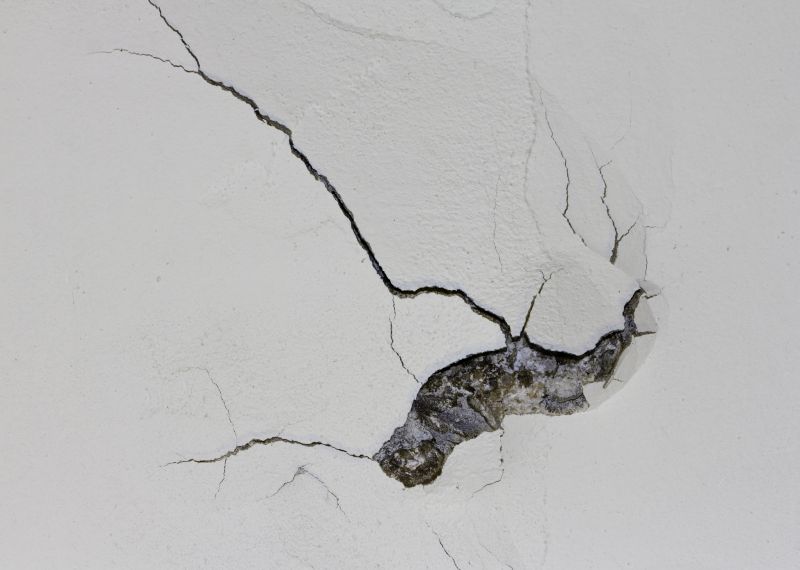
When comparing local contractors for basement wall repair, it’s important to consider their experience with similar projects. Homeowners should look for service providers who have a proven track record in addressing issues like wall cracks, bowing, or water intrusion in basement walls. An experienced contractor is more likely to understand the nuances of different foundation types and soil conditions, which can impact the repair approach. Asking about previous work on comparable projects can help gauge whether a contractor has the relevant expertise to handle specific basement wall concerns effectively.
Clear, written expectations are essential for ensuring that the scope of work, materials, and methods are well understood before any project begins. Homeowners should seek service providers who can provide detailed proposals or written estimates that outline what will be done, how it will be accomplished, and what materials will be used. Having these expectations documented helps prevent misunderstandings and provides a transparent basis for evaluating bids. It also enables homeowners to compare different options more objectively and make informed decisions.
Reputable references and good communication are key indicators of a reliable contractor. Homeowners are encouraged to ask for references from previous clients who had similar basement wall repair work completed. Contacting these references can provide insights into the contractor’s professionalism, quality of work, and ability to meet deadlines. Additionally, service providers who communicate clearly, respond promptly to questions, and keep homeowners informed throughout the process tend to foster smoother project experiences. It’s important to remember that this site serves as a resource to connect homeowners with local contractors, not as the entity performing the repair work itself.
Property owners use Basement Wall Repair services for practical projects around their homes and businesses. This guide focuses on everyday jobs and straightforward project options.
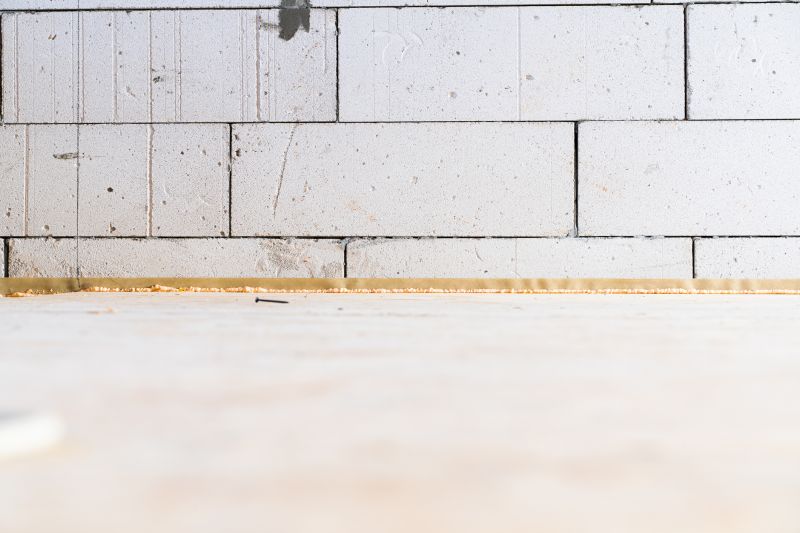
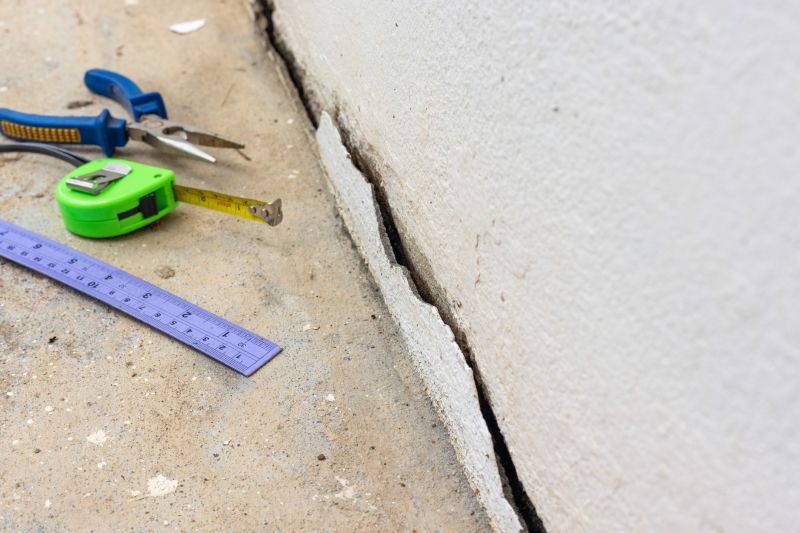
Basement wall issues can arise from common situations like cracks developing over time, water seepage during heavy rains, or shifting soil around the foundation. Property owners may notice damp spots, mold growth, or uneven basement floors, prompting them to seek repair services to protect their homes and prevent further damage. Local contractors experienced in basement wall repair can assess the situation and recommend solutions to help maintain the structural integrity of the foundation.
Many property owners look for basement wall repair when they observe signs of deterioration or experience ongoing water problems. These issues can compromise the safety and usability of a basement space, making repairs a priority. Service providers in the area are equipped to handle a variety of repair needs, from sealing cracks to reinforcing walls, helping homeowners preserve their property value and create a safer, more stable environment.
What are common signs of basement wall damage? Signs include cracking, bulging, or bowing walls, as well as water seepage or mold growth along the walls.
How do local contractors typically repair basement walls? They may use methods such as wall reinforcement, epoxy injections, or installing wall braces to stabilize and repair the structure.
Can basement wall repairs prevent further damage? Yes, proper repairs can help stop existing issues from worsening and protect the basement from future problems.
What types of materials are used in basement wall repair? Common materials include hydraulic cement, epoxy, wall anchors, and carbon fiber reinforcement strips.
Is it necessary to remove and replace damaged basement walls? Not always; many issues can be addressed through repair techniques that reinforce or seal existing walls without full replacement.
Foundation Stabilization - Property owners can explore options to reinforce their basement walls to prevent further shifting or cracking, especially in areas prone to soil movement.
Waterproofing Solutions - Homeowners can consider waterproofing services to protect basement walls from moisture intrusion and reduce the risk of water damage.
Crack Repair - Individuals can identify and address small cracks early to maintain basement integrity and avoid more extensive repairs later.
Drainage Improvements - Property owners might look into drainage system enhancements to direct water away from basement walls and minimize pressure buildup.
If you are thinking about Basement Wall Repair for a property, this guide is meant to help you understand the work, the typical project types, and how different options might fit your plans.
When you are ready, you can use the quote form on this page to share a few details about your project. From there, local pros can review the basics and respond with options that match what you have in mind.