How Water Intrusion Damages Poured Concrete Walls
People seeking poured concrete wall repair aim to prevent water intrusion damage, and local contractors can assess and fix cracks or leaks to protect your foundation.
Understanding how water intrusion damages poured concrete walls is essential for property owners dealing with moisture issues or structural concerns. Water can seep through cracks, joints, or porous surfaces, leading to weakening of the concrete over time, mold growth, and even foundation problems. For those living in areas prone to heavy rainfall, fluctuating groundwater levels, or poor drainage, exploring this topic can reveal practical insights into protecting and maintaining the integrity of poured concrete structures. Recognizing the signs of water damage early can help property owners take informed steps, with local contractors offering repair solutions tailored to address these specific issues.
Many property owners seek information on water intrusion because of its potential to cause long-term damage if left unaddressed. Poured concrete walls are a common feature in basements, foundations, and retaining walls, making them critical to the stability of a property. When water penetrates these walls, it can lead to cracks, spalling, and deterioration that compromise safety and value. Local service providers specializing in poured concrete wall repair are equipped to evaluate the extent of water damage and recommend effective solutions. Keeping informed about how water intrusion impacts poured concrete walls can empower property owners to act promptly and connect with the right professionals for repairs.
- Poured concrete wall repair - homeowners noticing cracks or water seepage may need this service, which local contractors approach by sealing leaks and reinforcing damaged areas.
- Water intrusion damage assessment - when moisture appears inside or around poured concrete walls, local service providers evaluate the extent of deterioration caused by water infiltration.
- Crack and joint repair - visible cracks or gaps often lead to water intrusion; local pros typically fill and seal these openings to prevent further damage.
- Leak mitigation services - persistent leaks or dampness indicate water intrusion issues that local contractors address through targeted waterproofing solutions.
- Structural reinforcement - signs of weakening or bowing in poured concrete walls due to water damage prompt local experts to stabilize and restore the integrity of the structure.
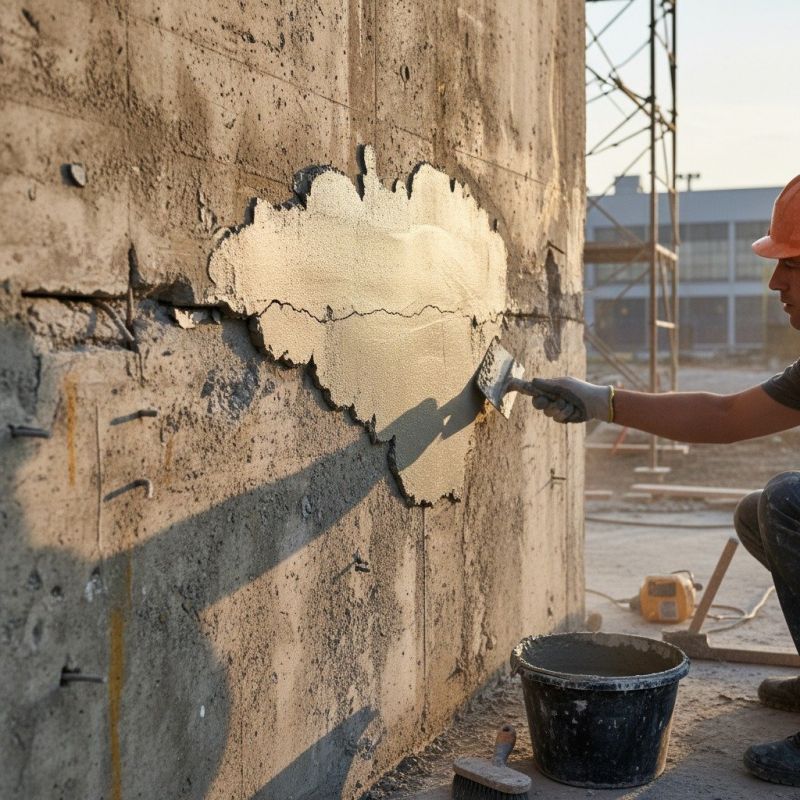
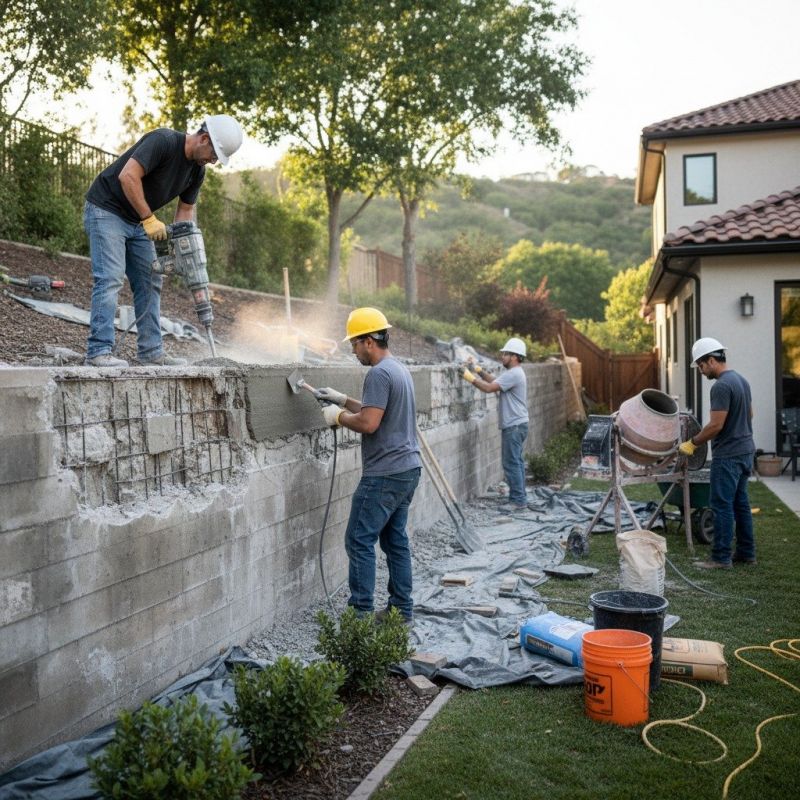
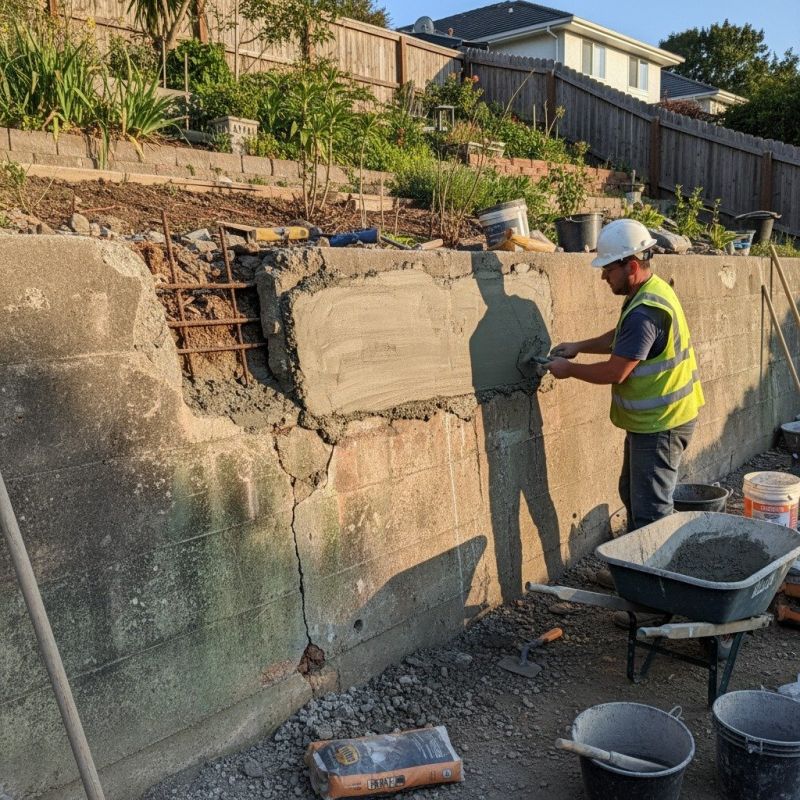
When homeowners search for information about how water intrusion damages poured concrete walls, they often want to understand the specific ways moisture can compromise the integrity of these structures. Poured concrete walls are commonly used in foundation systems, basements, retaining walls, and underground structures. Water intrusion can occur through cracks, porous surfaces, or inadequate drainage, leading to a range of problems that threaten the stability and safety of the property. People may be concerned about visible signs like dampness, efflorescence, or mold, as well as more serious issues such as wall bowing, cracking, or even structural failure. Understanding how water causes these damages helps property owners recognize the importance of proper repairs and preventative measures.
Many property owners relate this topic to ongoing or potential repair projects. Water intrusion can lead to deterioration of the poured concrete, weakening its ability to support the structure it holds. Over time, moisture can cause concrete to crack, spall, or crumble, reducing the wall’s effectiveness and increasing the risk of costly repairs or replacements. For those planning renovations or foundation upgrades, knowing how water damages poured concrete walls is crucial for designing effective waterproofing or drainage systems. Homeowners may also seek advice on how to evaluate existing damage, prevent future water problems, or restore compromised walls to ensure long-term stability.
The types of properties most often associated with water intrusion damage to poured concrete walls include residential basements, commercial foundations, retaining walls, and subterranean structures. In homes, basement walls are vulnerable to water seepage from heavy rainfall, groundwater, or poor drainage around the property. Commercial properties with underground parking or storage areas may experience similar issues, especially if waterproofing measures are outdated or inadequate. Retaining walls, which hold back soil on sloped land, are also at risk, as water pressure from saturated soil can cause damage over time. These property types typically require the expertise of local contractors who specialize in poured concrete wall repair to address water intrusion issues effectively.
Local service providers who handle poured concrete wall repairs play a key role in diagnosing and fixing water intrusion problems. They assess the condition of the walls, identify sources of moisture entry, and recommend appropriate solutions such as sealing cracks, installing drainage systems, or applying waterproof coatings. Proper repair and waterproofing not only restore the structural integrity of poured concrete walls but also help prevent future water-related damage. Property owners benefit from connecting with experienced local contractors who understand the specific challenges of their property type and regional conditions. These professionals can offer tailored solutions to protect poured concrete walls from ongoing water intrusion, ensuring the durability and safety of the property for years to come.
Foundation Waterproofing Projects - these projects involve applying waterproofing solutions to prevent water intrusion, which is essential for protecting poured concrete walls from damage caused by water infiltration.
Basement Drainage System Installations - installing effective drainage systems helps manage water flow around poured concrete walls, reducing the risk of water-related deterioration and damage.
Structural Repair and Reinforcement - local contractors specializing in structural repairs can address cracks and weaknesses in poured concrete walls that water intrusion may exacerbate.
Waterproof Coating Applications - applying protective coatings to concrete surfaces can prevent water penetration, a key step in mitigating water damage to poured concrete walls.
Crack Repair and Sealing Services - sealing cracks in poured concrete walls prevents water from seeping in and causing further structural issues or damage.
Water Damage Restoration - professionals experienced in water damage restoration can repair and restore poured concrete walls affected by water intrusion, preventing long-term deterioration.
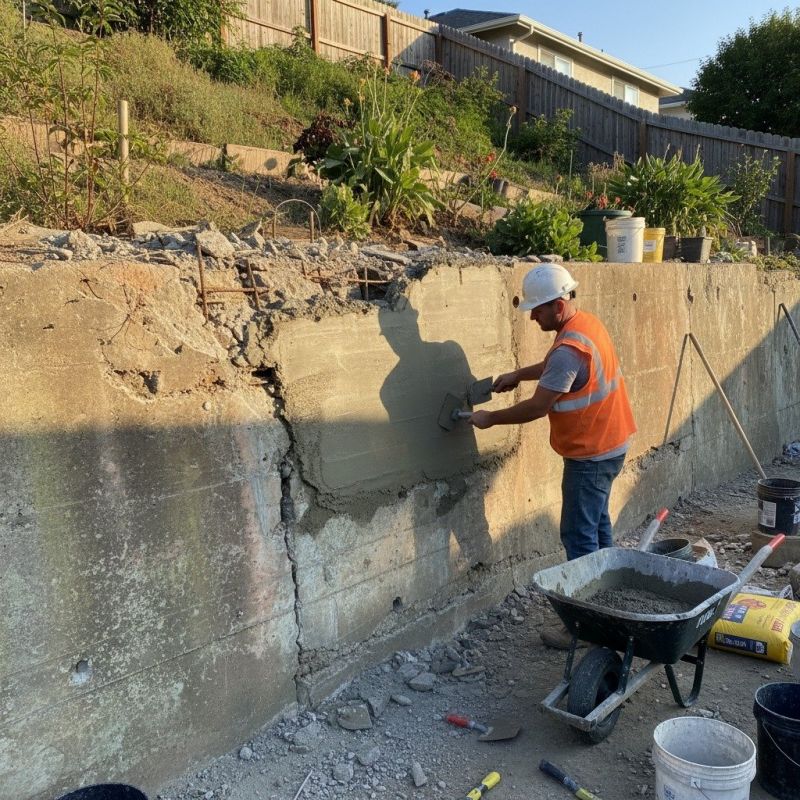
When evaluating service providers for poured concrete wall repair related to water intrusion damage, it’s important to consider their experience with similar projects. Homeowners should inquire whether the contractors have handled repairs involving water-related issues on poured concrete walls in the past, as this can impact the quality and durability of the work. An experienced contractor will be familiar with common causes of water intrusion, effective repair techniques, and preventative measures to reduce future damage, helping to ensure the repair is thorough and long-lasting.
Clear written expectations are essential when comparing local contractors for poured concrete wall repairs. Homeowners should seek detailed proposals that outline the scope of work, materials to be used, and the steps involved in addressing water intrusion damage. This transparency helps prevent misunderstandings and provides a solid basis for evaluating each service provider’s approach. Well-defined expectations also enable homeowners to assess whether the proposed solutions are suitable for their specific situation and needs.
Reputable references and effective communication are key factors to consider during the selection process. Service providers who can offer references from past clients with similar repair projects demonstrate a track record of satisfied customers and successful outcomes. Good communication throughout the process ensures that homeowners are kept informed, can ask questions, and receive timely updates. Choosing local contractors known for clear, responsive communication and positive references can lead to a smoother repair experience and greater confidence in the quality of work performed.
Property owners often search for how water intrusion damages poured concrete walls when they are planning practical projects around their homes and businesses. Local pros provide Poured Concrete Wall Repair services for everyday jobs and straightforward project options.
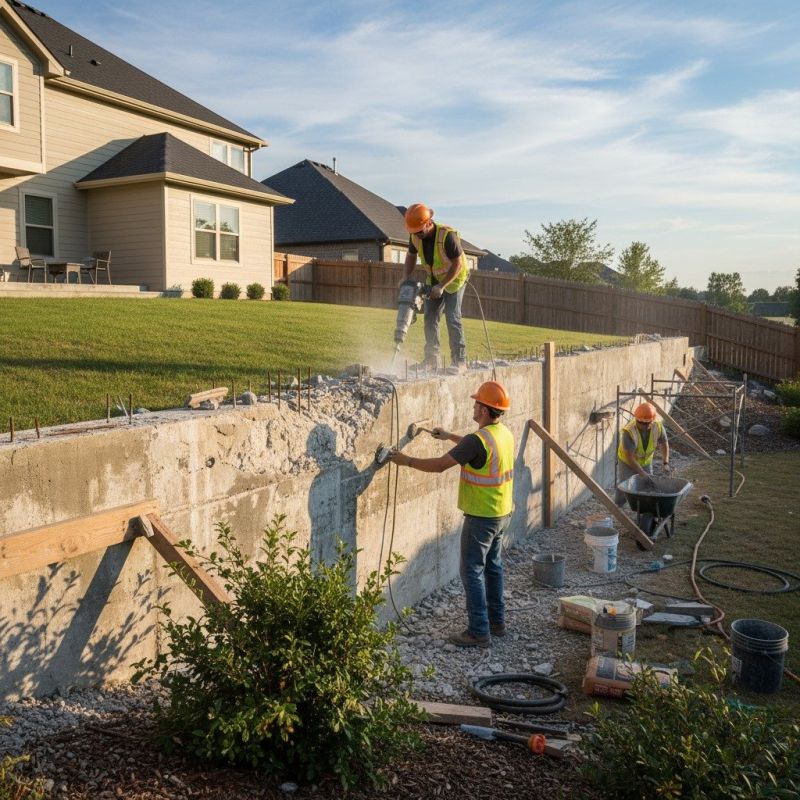
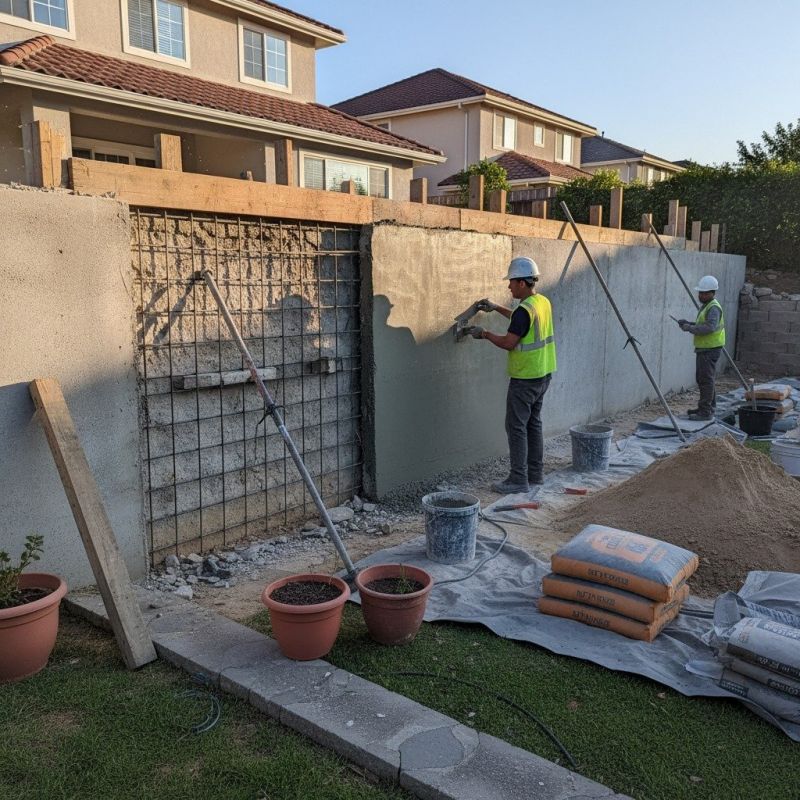
Water intrusion is a common concern for property owners with poured concrete walls, especially in areas prone to heavy rainfall or fluctuating groundwater levels. When water seeps into the concrete, it can cause internal pressures that lead to cracking, spalling, or even bowing of the walls over time. These issues not only compromise the structural integrity of the foundation but can also result in moisture problems inside the building, such as mold growth or damaged finishes. Homeowners and property managers often look into how water intrusion damages poured concrete walls to understand the risks and determine when professional repair services might be necessary to prevent further deterioration.
Local contractors specializing in poured concrete wall repair are equipped to address these issues effectively. They can evaluate the extent of water damage, identify the underlying causes of water intrusion, and recommend suitable solutions like sealing, waterproofing, or wall reinforcement. Property owners seeking reliable repair options can connect with experienced service providers who understand the unique conditions of the area and can help restore the strength and durability of their poured concrete walls. Addressing water intrusion early can help preserve the property’s value and prevent costly repairs in the future.
How does water intrusion damage poured concrete walls? Water intrusion can lead to cracking, spalling, and weakening of poured concrete walls over time, which may compromise their structural integrity and appearance.
What are common signs of water damage in poured concrete walls? Signs include visible cracks, efflorescence (white salt deposits), damp spots, mold growth, and softened or crumbling concrete areas.
Can water intrusion cause long-term issues for poured concrete walls? Yes, prolonged water exposure can lead to ongoing deterioration, including increased cracking and potential failure of the wall without proper repairs.
How do local contractors repair water-damaged poured concrete walls? They typically assess the damage, remove compromised material, and apply sealing, patching, or reinforcement techniques to restore the wall's stability and prevent further water intrusion.
Why is it important to address water intrusion early in poured concrete walls? Early intervention can prevent extensive damage, reduce repair costs, and help maintain the safety and durability of the structure over time.
Identify signs of water damage - Property owners can inspect poured concrete walls regularly for cracks, efflorescence, or damp spots to catch water intrusion early.
Implement waterproofing measures - Applying sealants or waterproof coatings with the help of local contractors can prevent water from seeping into poured concrete walls.
Address drainage issues promptly - Improving grading or installing proper drainage systems can reduce water pressure against poured concrete walls, minimizing damage risks.
Schedule professional repairs - When water intrusion has caused damage, consulting local pros for repair services ensures proper restoration and reinforcement of poured concrete walls.
If you are thinking about how water intrusion damages poured concrete walls for a property, this guide is meant to help you understand this topic, the typical project types, and how different options might fit your plans.
When you are ready, you can use the quote form on this page to share a few details about your project. From there, local pros can review the basics and follow up with options that match what you have in mind.